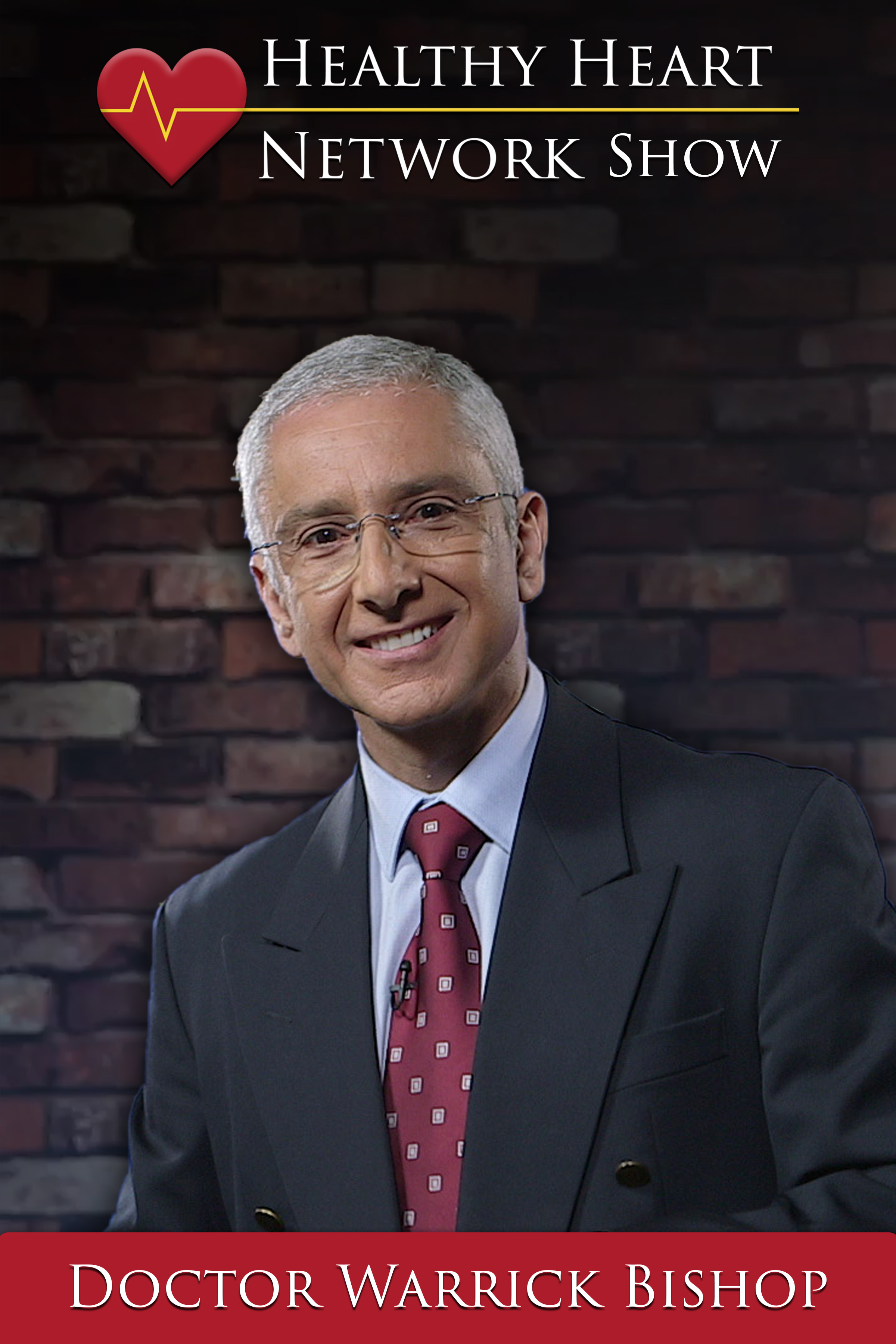
Welcome to my podcast. I am Doctor Warrick Bishop, and I want to help you to live as well as possible for as long as possible. I’m a practising cardiologist, best-selling author, keynote speaker, and the creator of The Healthy Heart Network. I have over 20 years as a specialist cardiologist and a private practice of over 10,000 patients.
Podcast Summary
Introduction
Dr. Warrick Bishop is a practicing cardiologist and author dedicated to educating patients about heart health through his podcast and videocast station, the Healthy Heart Network. In this episode, Dr. Bishop discusses acute cardiac failure—a medical emergency characterized by the sudden onset of heart pump failure and fluid buildup in the lungs. He explains that acute cardiac failure is a serious condition requiring rapid diagnosis and immediate stabilization, and he outlines the diagnostic approach and treatment strategies used in clinical practice.
Key Takeaways:
-
Acute cardiac failure occurs suddenly (as opposed to chronic failure) and presents with fluid congestion, particularly in the lungs, causing severe shortness of breath, rapid heart rate, low blood pressure, and decreased urine production.
-
Cardiogenic shock—characterized by a fast heartbeat, dangerously low blood pressure, severe shortness of breath, and poor urine output—represents a critical medical emergency requiring immediate intervention.
-
Initial diagnosis involves clinical examination (checking for fluid signs), ECG testing (which typically shows rapid heart rate), chest X-rays (to identify heart enlargement), and urgent cardiac ultrasound to assess heart pump function and valve integrity.
-
Treatment begins with positioning patients upright to improve lung oxygenation, establishing intravenous access, administering oxygen, and using morphine to reduce anxiety and anxious sympathetic nervous system activation.
-
Diuretic medications (like furosemide) are given intravenously to help remove excess fluid from the body and reduce lung congestion.
-
Ventilatory support using continuous positive airway pressure (CPAP) masks can literally push fluid out of the lungs while reducing the workload on the failing heart.
-
In severe cases at specialized centers, advanced interventions include ultrafiltration to mechanically remove fluid, intra-aortic balloon pumps that synchronize with heartbeats to support blood pressure, and extracorporeal membrane oxygenation (ECMO) to maintain oxygen delivery outside the body.
-
Left ventricular assist devices (LVADs) are mechanical pumps that can support circulation in critically ill patients while awaiting heart transplantation or potential heart recovery.
-
Identifying the underlying cause of acute cardiac failure is crucial; common causes include previous cardiac failure decompensation, acute coronary syndrome (heart attack), and uncontrolled cardiac arrhythmias like atrial fibrillation.
-
Acute coronary syndrome requires urgent coronary angiography to open blocked arteries and restore blood flow to the heart muscle, which can rapidly improve heart function and patient outcomes.